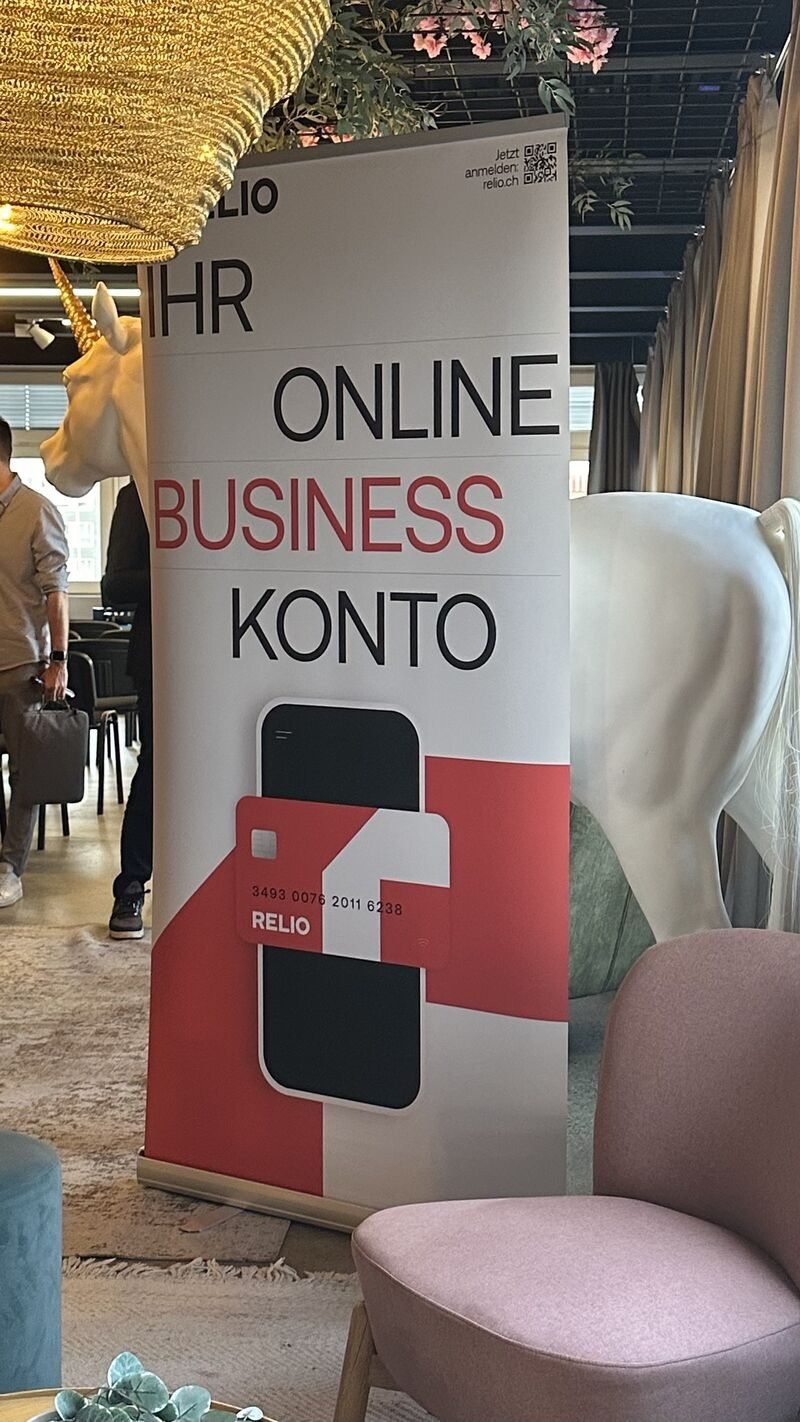
A recent panel in Zug — "Unchain the Unbanked: Giving Web3 Businesses Access to TradFi in Switzerland," organised by Relio — surfaced a gap that keeps resurfacing in this industry: traditional finance still hasn't built a real bridge to Web3 businesses, even in a jurisdiction as crypto-friendly as Switzerland.
It's genuinely encouraging to see companies working specifically on that bridge, connecting Web3 businesses with banking access rather than leaving them to solve it ad hoc. But a structural issue kept coming up in the discussion: most of the conversation still centres on companies that operate purely within Switzerland. Web3 is global by nature — limiting the framing to a single jurisdiction runs somewhat against the point of the industry itself. In practice, Web3 companies often incorporate in places like the BVI to access better business conditions, and these aren't small operations; many have strong products and well-established ownership structures. The open question is whether it would actually help for the same company to also hold a Swiss legal entity, a local mailbox address and a nominal local director without genuine operational involvement — a pattern that shows up more often than the empty offices around Zug would suggest.
Switzerland already hosts roughly 1,300 crypto companies, and good regulation could grow that number further — though it's still short of what the market could realistically support. The real question for banks: how do they adapt to serve genuinely international, cross-border companies rather than treating "Web3" as a single local category? In my view, that starts with compliance teams rethinking their approach, and — where needed — helping regulators understand the operational reality of how these businesses actually work, rather than fitting them into frameworks built for purely domestic institutions.