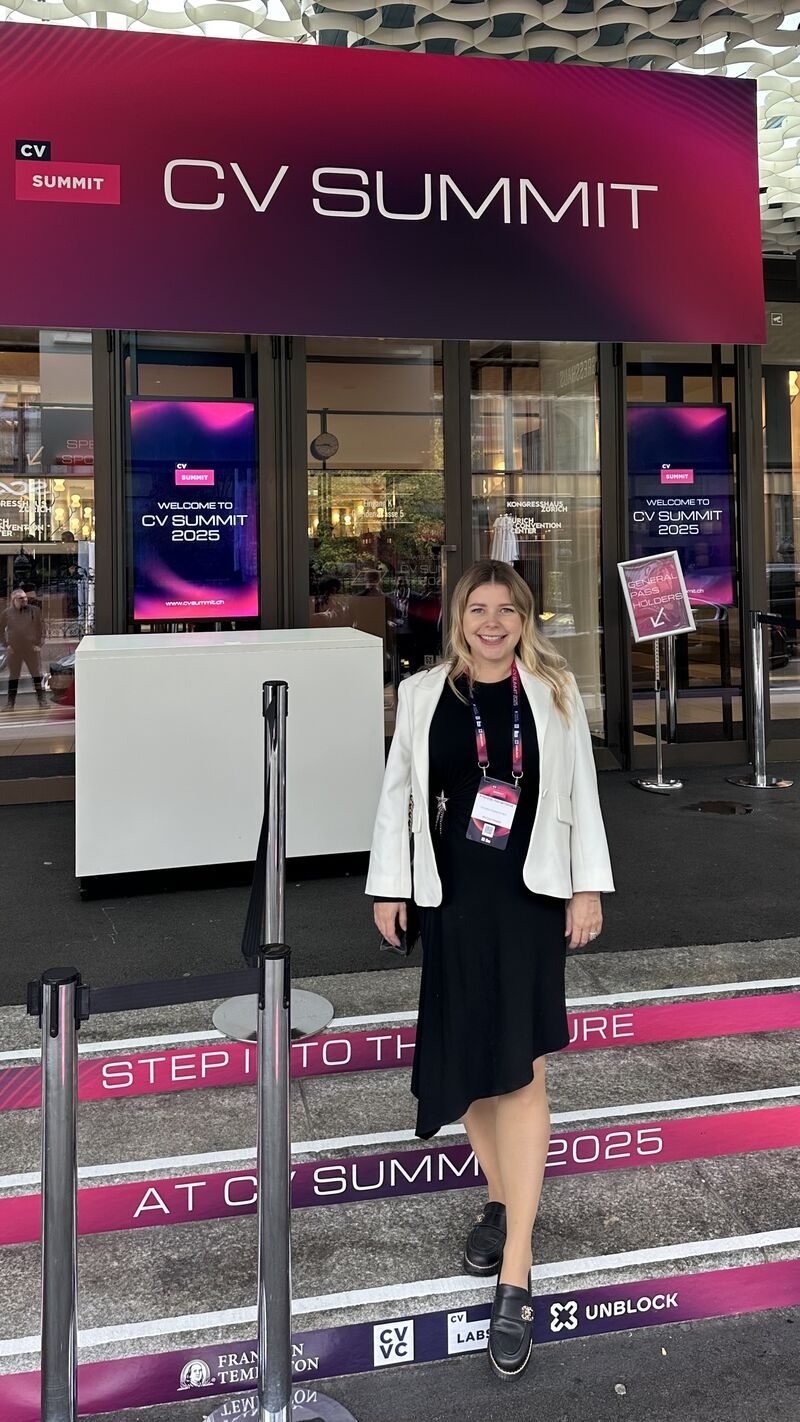
One thing kept standing out across two days at a recent Crypto Valley industry summit: the near-total absence of regulators from the room. Switzerland's Financial Market Supervisory Authority, FINMA, doesn't tend to show up and join the open conversation with the market it oversees.
That's a contrast worth naming. In other jurisdictions, regulators show up to industry events, listen, ask questions, and sometimes lead the discussion from the stage — staying close to the operators actually building within their rules. Switzerland's regulatory culture works differently: the regulator communicates primarily through formal rules, and lawyers and consultants are left to "translate" those rules for the market in practice.
The downstream effect is measurable. Switzerland's Fintech license pathway remains comparatively opaque and heavy, which helps explain why only a handful of licenses have been issued under it to date. The self-regulatory organisation (SRO) regime, by contrast, is simpler and should be more attractive — but in practice it's mostly known and used by well-connected local players. Where it is used by non-local entrants, it tends to skew toward higher-risk activity that's become harder to sustain in other jurisdictions. That combination looks less like a deliberate policy choice and more like a regulatory imbalance: the Fintech license doesn't need to become softer, but it does need to become clearer and more predictable. On the SRO side, closer supervision of what member firms actually do in practice would help the market grow in a healthier, more sustainable way.
None of this is a criticism of the industry events themselves — well-run conferences with real content and real networking time are genuinely valuable, and increasingly rare in a calendar crowded with lower-substance gatherings. It's a specific, fixable gap: the market is ready for an open dialogue. The regulator showing up would be a good place to start.